About
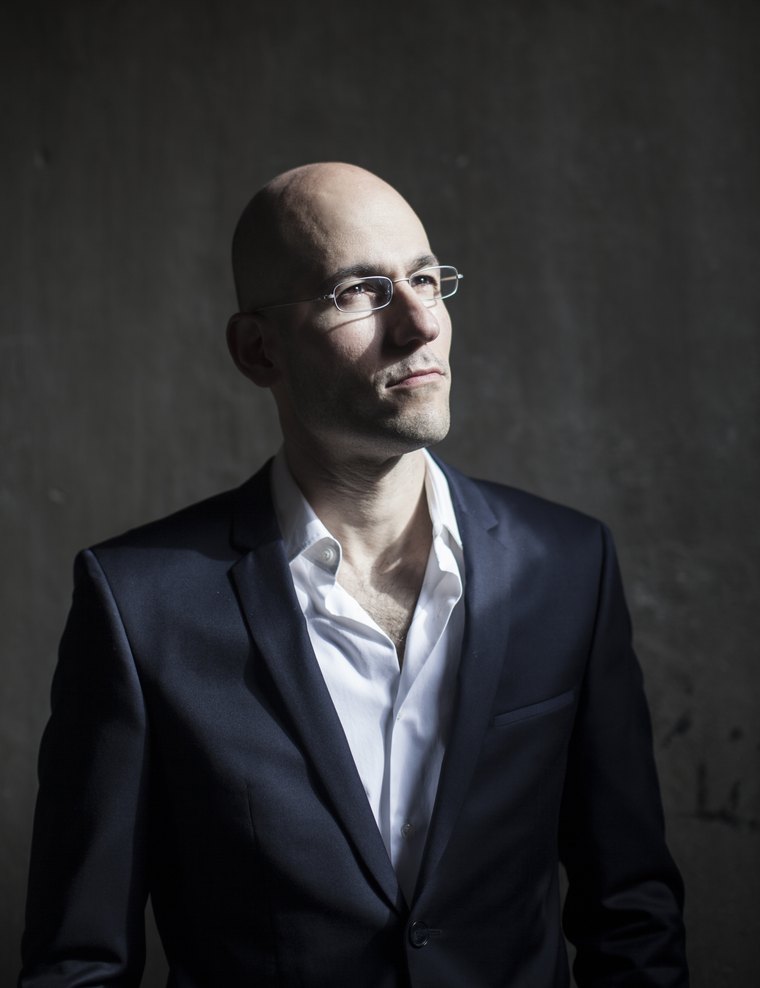
DONIS is an international studio of architecture, urbanism, research, industrial design, and art. The studio has won several international prizes, including the Dubai Frame, selected as the first-prize winner from 926 proposals in an international competition regulated by UNESCO-UIA; the first prize for the National Palace of Justice in Paris; and the winning design for a new landmark for the London 2012 Olympic and Paralympic Games at the City of London. DONIS designs, develops, and builds projects across a wide range of scales and programs, consistently pursuing innovative, sustainable, and socially engaged architecture. DONIS was founded by Fernando Donis, Mexican Dutch architect who received his Master’s degree from the Architectural Association in London through the Design Research Laboratory (DRL), where he studied under Patrik Schumacher and Brett Steele. He also received a PhD in Architecture from Delft University of Technology (TU Delft), through the doctoral research program The City as a Project, led by with Pier Vittorio Aureli. His doctoral research, FRAME, is a five-chapter study of the archetype of the frame and its role in the architectural and urban history and culture of Mexico. Following his studies at the Architectural Association, Fernando Donis worked closely with Rem Koolhaas as an Associate at the Office for Metropolitan Architecture (OMA) for nine years, from 2001 to 2009. During this period, he was the main designer of the CCTV Headquarters in Beijing, among numerous other architectural projects and masterplans. He also collaborated with AMO, OMA’s research and design branch, contributing to research projects concerning the European Union. Fernando Donis has taught at the Berlage Institute and the Academy of Architecture in Rotterdam, as well as at Universidad Iberoamericana and Universidad Anáhuac in Mexico, integrating architectural research, design, and urbanism across multiple scales. His work and career have received international recognition. In 2011, CNN Expansión selected him as one of the 30 most promising and influential people in Mexico. In 2015, Mexico’s Ministry of Foreign Affairs selected him as one of the country’s most creative Mexicans living abroad.