About

DONIS is an international studio of architecture, urbanism, research, industrial design, and art. The studio has won several international prizes, including the Dubai Frame, selected as the first-prize winner from 926 proposals in an international competition regulated by UNESCO-UIA; the first prize for the National Palace of Justice in Paris; and the winning design for a new landmark for the London 2012 Olympic and Paralympic Games at the City of London. DONIS designs, develops, and builds projects across a wide range of scales and programs, consistently pursuing innovative, sustainable, and socially engaged architecture. DONIS was founded by Fernando Donis, Mexican Dutch architect who received his Master’s degree from the Architectural Association in London through the Design Research Laboratory (DRL), where he studied under Patrik Schumacher and Brett Steele. He also received a PhD in Architecture from Delft University of Technology (TU Delft), through the doctoral research program The City as a Project, led by with Pier Vittorio Aureli. His doctoral research, FRAME, is a five-chapter study of the archetype of the frame and its role in the architectural and urban history and culture of Mexico. Following his studies at the Architectural Association, Fernando Donis worked closely with Rem Koolhaas as an Associate at the Office for Metropolitan Architecture (OMA) for nine years, from 2001 to 2009. During this period, he was the main designer of the CCTV Headquarters in Beijing, among numerous other architectural projects and masterplans. He also collaborated with AMO, OMA’s research and design branch, contributing to research projects concerning the European Union. Fernando Donis has taught at the Berlage Institute and the Academy of Architecture in Rotterdam, as well as at Universidad Iberoamericana and Universidad Anáhuac in Mexico, integrating architectural research, design, and urbanism across multiple scales. His work and career have received international recognition. In 2011, CNN Expansión selected him as one of the 30 most promising and influential people in Mexico. In 2015, Mexico’s Ministry of Foreign Affairs selected him as one of the country’s most creative Mexicans living abroad.
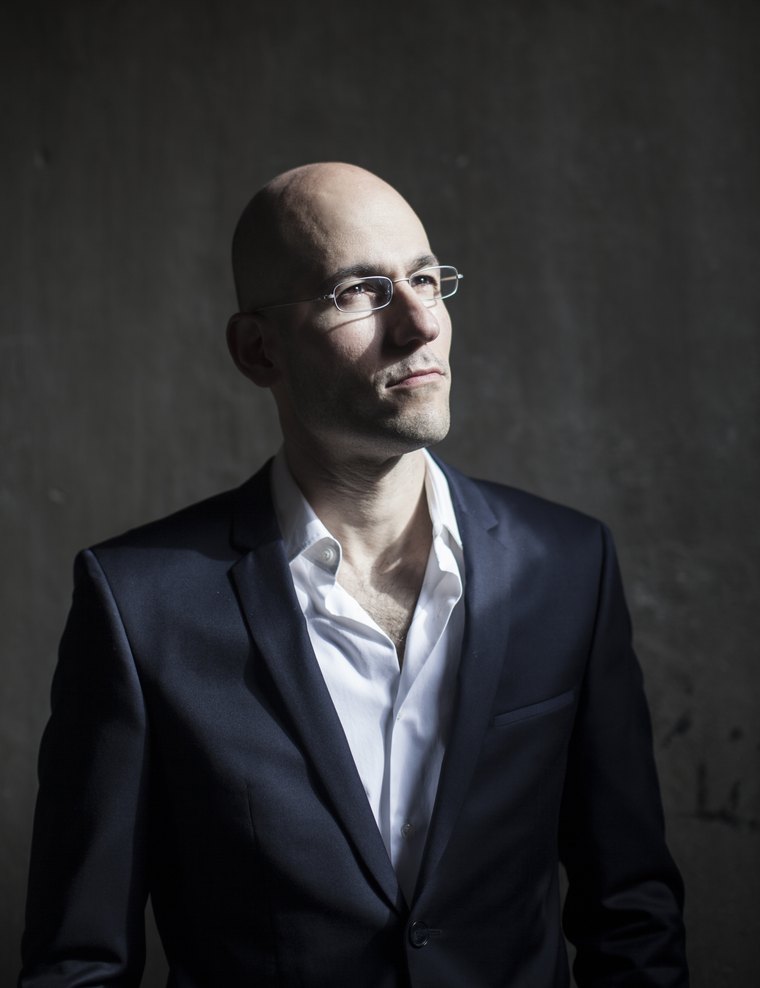

Fernando Donis, founder of DONIS
Fernando Donis · Founder
DONIS

Luna Park

Monterrey, Mexico

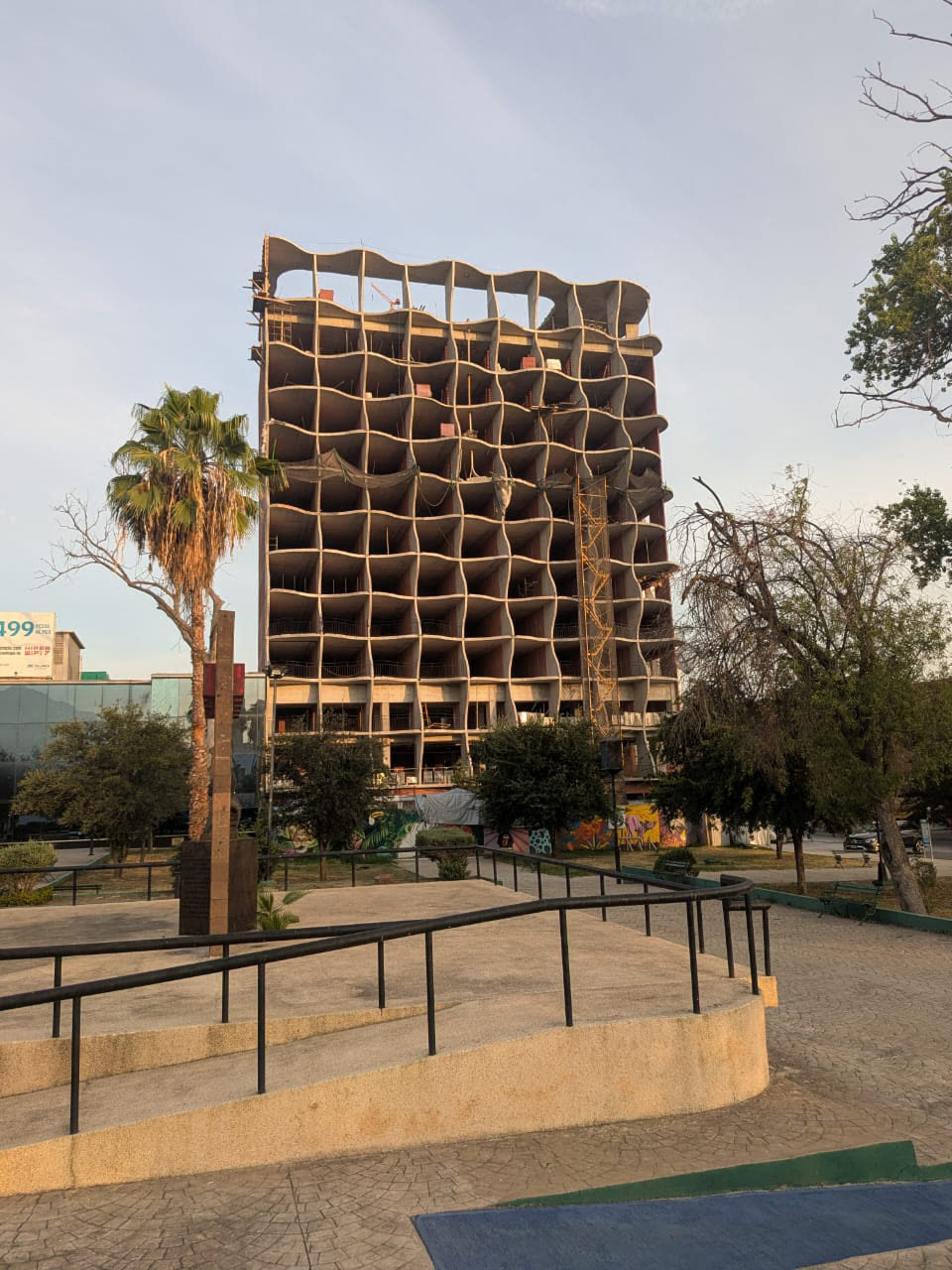
Luna Park is perhaps the most beautiful residential tower we have designed, introducing a new model of affordable co-living in Monterrey while reinterpreting one of the oldest symbols of Mexican culture: Quetzalcóatl, the Feathered Serpent. Present throughout Mesoamerican civilizations—from Teotihuacan and the Toltecs to the Maya and the Aztecs—Quetzalcóatl embodies the union of apparent opposites: earth and sky, matter and spirit, the serpent and the bird, knowledge and creation. More than a deity, it represents transformation, movement, and the possibility of connecting different worlds. This symbolic tradition, explored extensively in our PhD research on Mexican architectural and urban history, becomes the conceptual origin of the project.

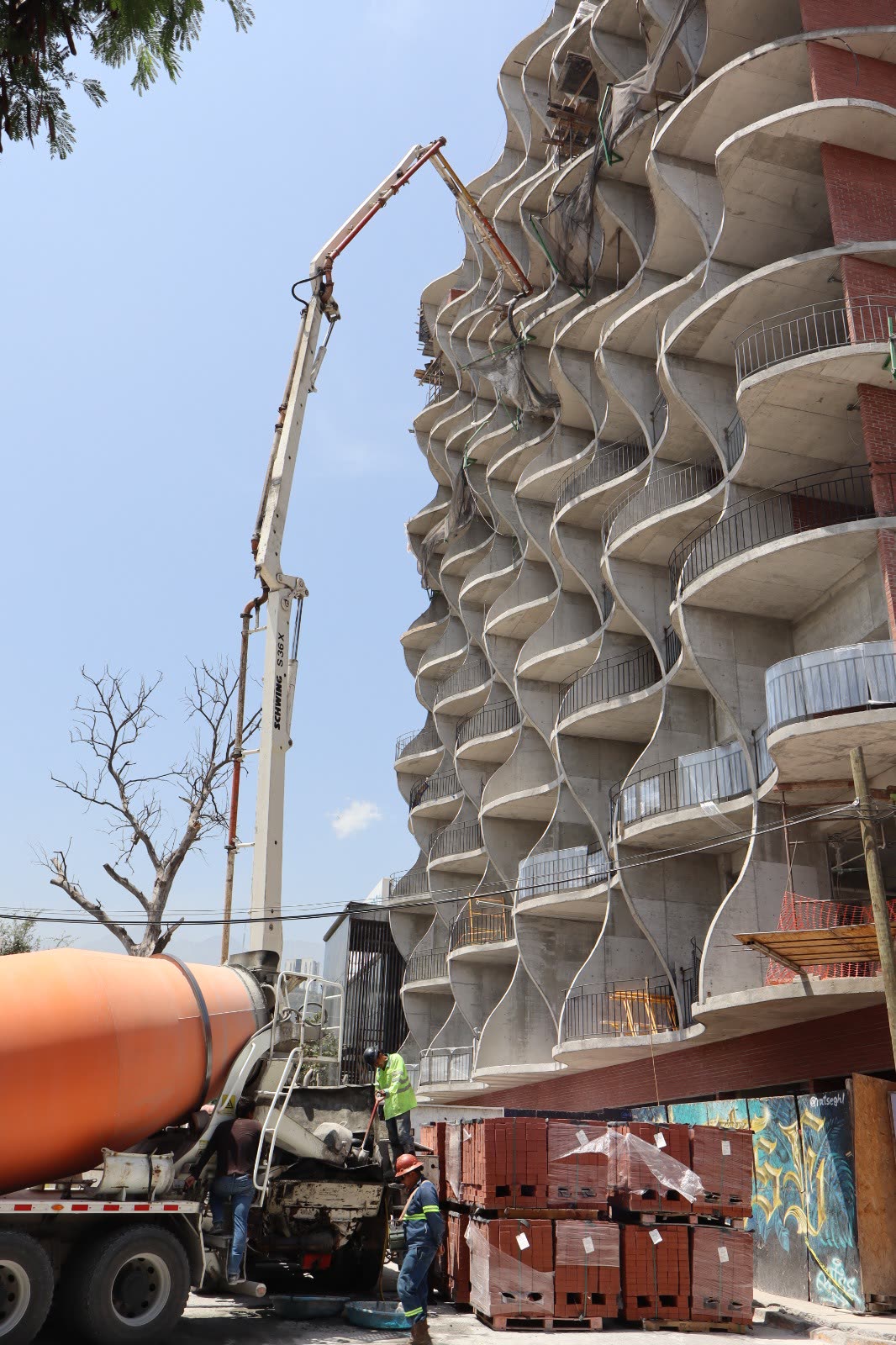
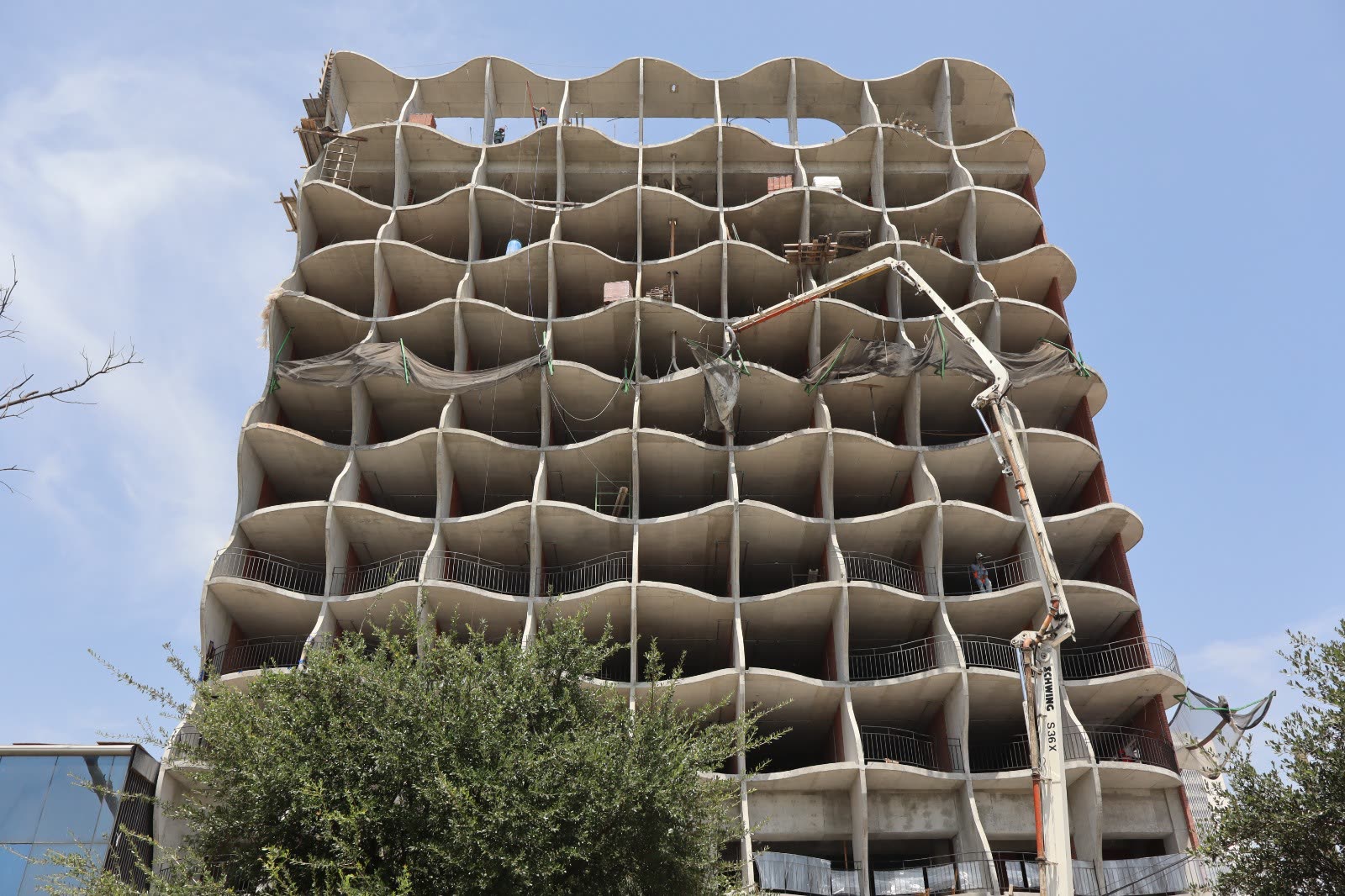
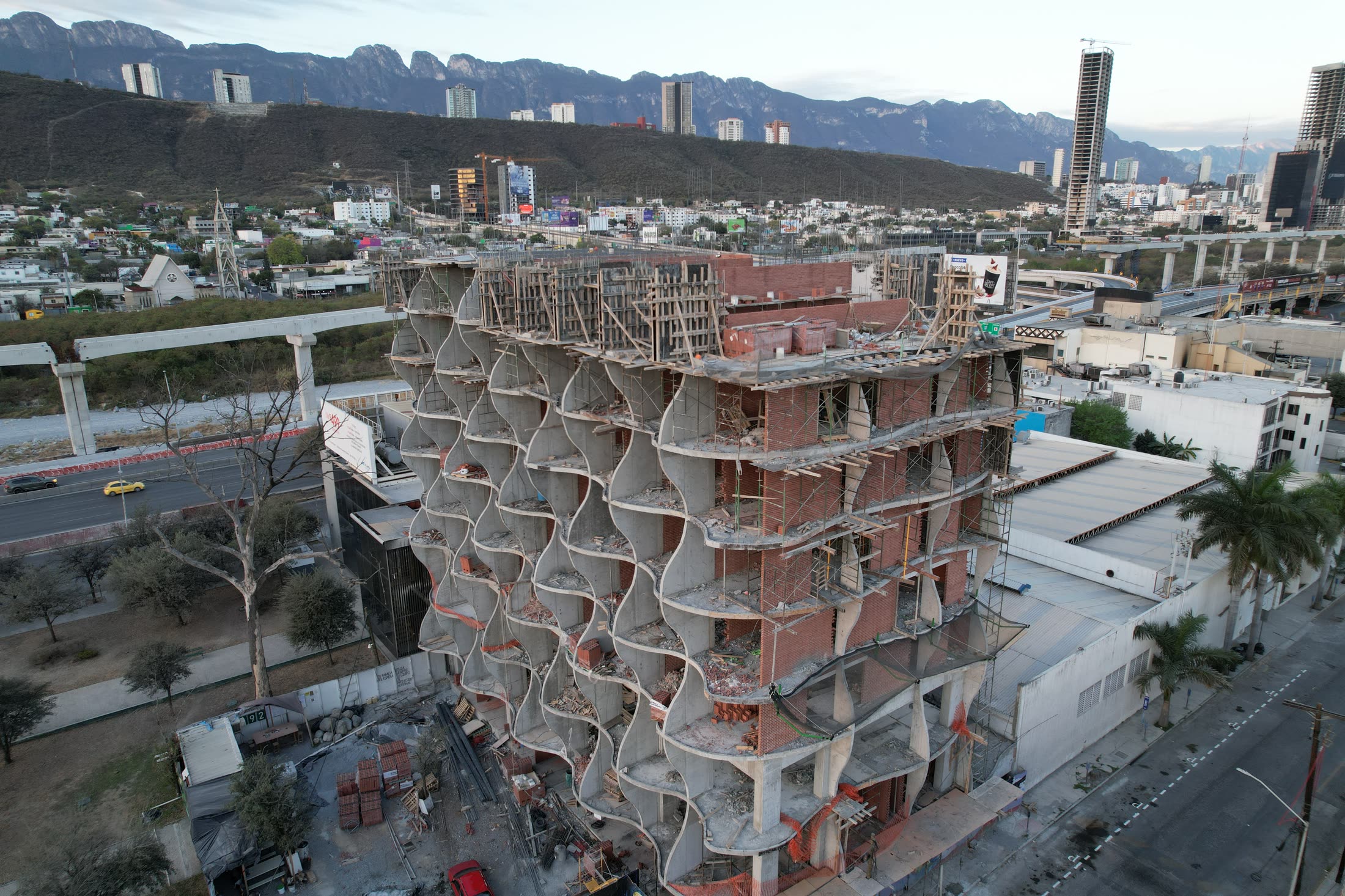
Luna Park translates this ancient archetype into a contemporary residential tower. Its weaving, serpentine curves rise from the ground toward the sky, generating a continuous spatial movement that recalls the ascending body of the Feathered Serpent. The façade creates a rich interplay of light and shadow while opening diagonal views across the building, encouraging visual connections and spontaneous encounters among residents on different levels. Although unapologetically contemporary, the tower emerges from centuries of Mexican architectural thought and artistic representation, demonstrating that innovation can grow from cultural continuity rather than historical imitation.

The project comprises ten floors of flexible 45 m² residential units, complemented by two levels of shared amenities dedicated to co-working, co-playing, and community life. Conceived as a catalyst for the regeneration of central Monterrey, Luna Park promotes urban densification while contributing to a more sustainable, vibrant, and socially connected city. We believe the future of our cities lies in returning to their centers through compact, high-quality housing that increases density without compromising quality of life. Smaller dwellings, mixed-use neighbourhoods, generous public parks, and reduced dependence on private automobiles can foster healthier, more walkable communities.

Luna Park proposes architecture not merely as housing, but as a framework for living together—more sustainably, more collectively, and more joyfully. Like Quetzalcóatl itself, it seeks to unite what often appears divided: tradition and innovation, nature and city, the individual and the collective, earth and sky.