About

DONIS is an international studio of architecture, urbanism, research, industrial design, and art. The studio has won several international prizes, including the Dubai Frame, selected as the first-prize winner from 926 proposals in an international competition regulated by UNESCO-UIA; the first prize for the National Palace of Justice in Paris; and the winning design for a new landmark for the London 2012 Olympic and Paralympic Games at the City of London. DONIS designs, develops, and builds projects across a wide range of scales and programs, consistently pursuing innovative, sustainable, and socially engaged architecture. DONIS was founded by Fernando Donis, Mexican Dutch architect who received his Master’s degree from the Architectural Association in London through the Design Research Laboratory (DRL), where he studied under Patrik Schumacher and Brett Steele. He also received a PhD in Architecture from Delft University of Technology (TU Delft), through the doctoral research program The City as a Project, led by with Pier Vittorio Aureli. His doctoral research, FRAME, is a five-chapter study of the archetype of the frame and its role in the architectural and urban history and culture of Mexico. Following his studies at the Architectural Association, Fernando Donis worked closely with Rem Koolhaas as an Associate at the Office for Metropolitan Architecture (OMA) for nine years, from 2001 to 2009. During this period, he was the main designer of the CCTV Headquarters in Beijing, among numerous other architectural projects and masterplans. He also collaborated with AMO, OMA’s research and design branch, contributing to research projects concerning the European Union. Fernando Donis has taught at the Berlage Institute and the Academy of Architecture in Rotterdam, as well as at Universidad Iberoamericana and Universidad Anáhuac in Mexico, integrating architectural research, design, and urbanism across multiple scales. His work and career have received international recognition. In 2011, CNN Expansión selected him as one of the 30 most promising and influential people in Mexico. In 2015, Mexico’s Ministry of Foreign Affairs selected him as one of the country’s most creative Mexicans living abroad.
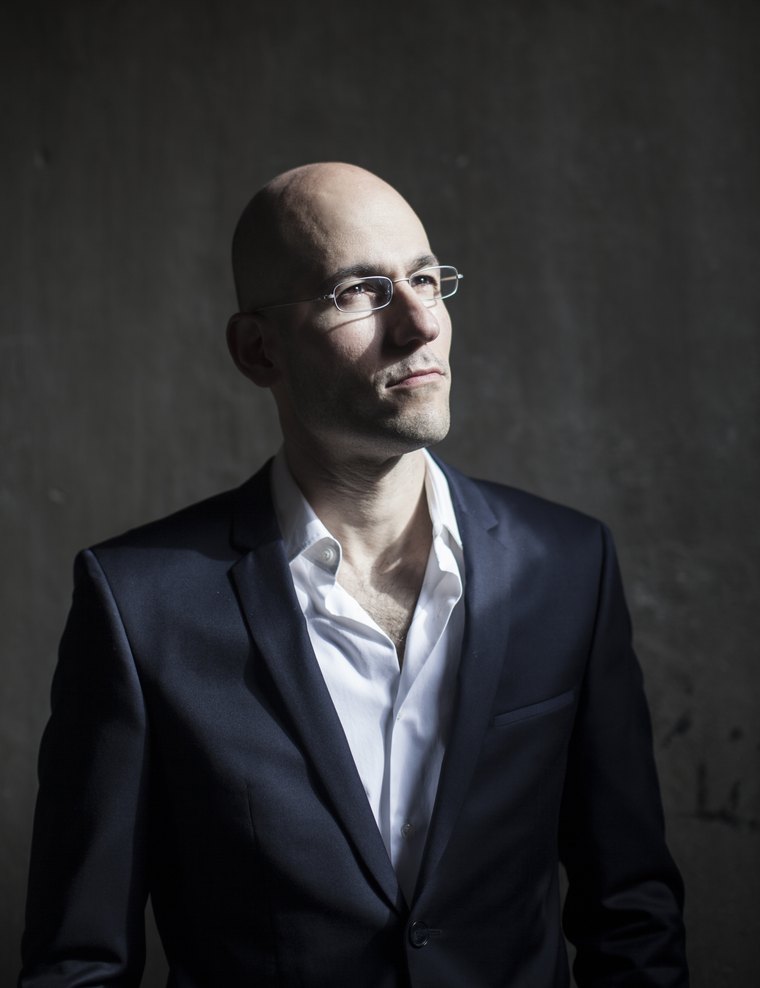

Fernando Donis, founder of DONIS
Fernando Donis · Founder
DONIS

The Most Transparent Region: Chapultepec 2030

A Reading of Mexico Through Its Urban Forest — Mexican Pavilion, Venice Architecture Biennale

The Most Transparent Region: Chapultepec 2030 proposes that Chapultepec Forest has become Mexico City's most important urban instrument for imagining a more livable, equitable, and environmentally resilient metropolis. If, in Carlos Fuentes' novel, the city itself was the main protagonist, in our proposal that role is assumed by Chapultepec: a living landscape through which it is possible to understand the past, interpret the present, and imagine the future of the metropolis.

More than an urban forest, Chapultepec is an ecological, cultural, and social infrastructure capable of bringing together biodiversity, heritage, mobility, sports, recreation, memory, and inclusion. It is a territory where nature, architecture, and society coexist on a daily basis, becoming a model for rethinking cities in the twenty-first century.

The proposal responds directly to the curatorial theme "Do Architecture — For the Possibility of Coexistence Facing a Real Reality," understanding architecture not as the production of objects, but as the capacity to create the conditions for coexistence. In the face of climate change, inequality, and increasing urban pressure, Chapultepec demonstrates how landscape and public space can become the infrastructure that sustains metropolitan life.

Covering approximately 866 hectares across four sections, Chapultepec is one of the world's largest urban forests and the largest in Latin America. As an open and democratic public space, it constitutes Mexico City's most important metropolitan system for recreation, environmental services, and public health.

Our team has maintained a long-standing research interest in Chapultepec and in the role that landscape plays in shaping more sustainable metropolitan regions.

Fernando Donis, architect with a Master's degree from the Architectural Association in London and a PhD from TU Delft, develops in his doctoral thesis Frame a reinterpretation of Mexico's urban and architectural history, from Teotihuacan to contemporary Mexico City, proposing the Frame City, in which large green spaces function as civic structures that provide cohesion and vitality to the metropolis.

Natasha Uren, Executive Director of Chapultepec Forest, brings an exceptional understanding of the forest's operation, ongoing projects, and future challenges. Her leadership has been fundamental to its recent transformation, and her participation is essential in communicating Chapultepec's contemporary significance through the Mexican Pavilion at the Venice Architecture Biennale.

Mario Schjetnan, Mexico's most internationally recognized landscape architect, has played a decisive role in the contemporary transformation of Chapultepec. Among his many distinctions are the Oberlander Prize (2025), the Sir Geoffrey Jellicoe Award (2015), and the Elise and Walter A. Haas International Award (2019).

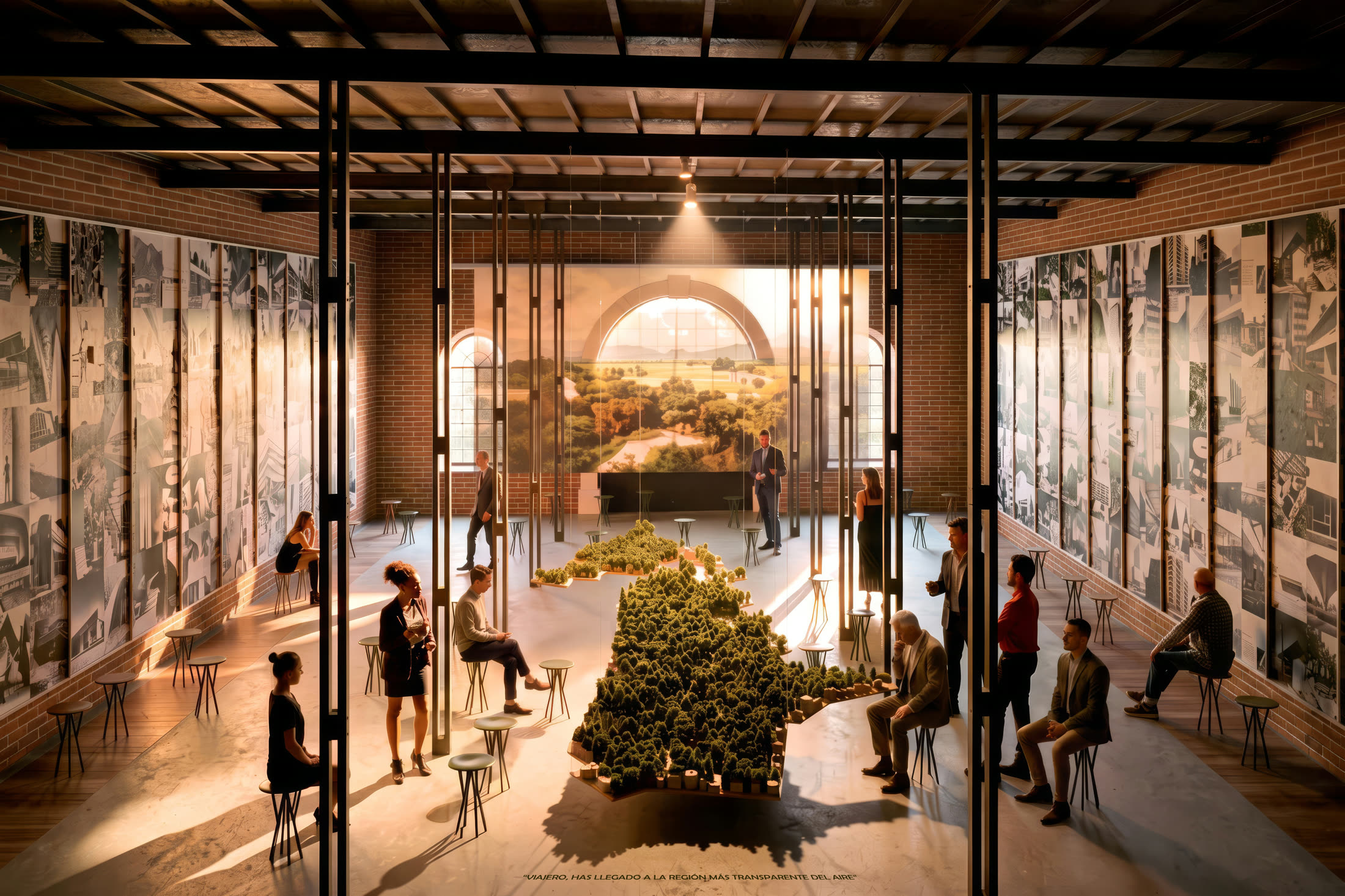
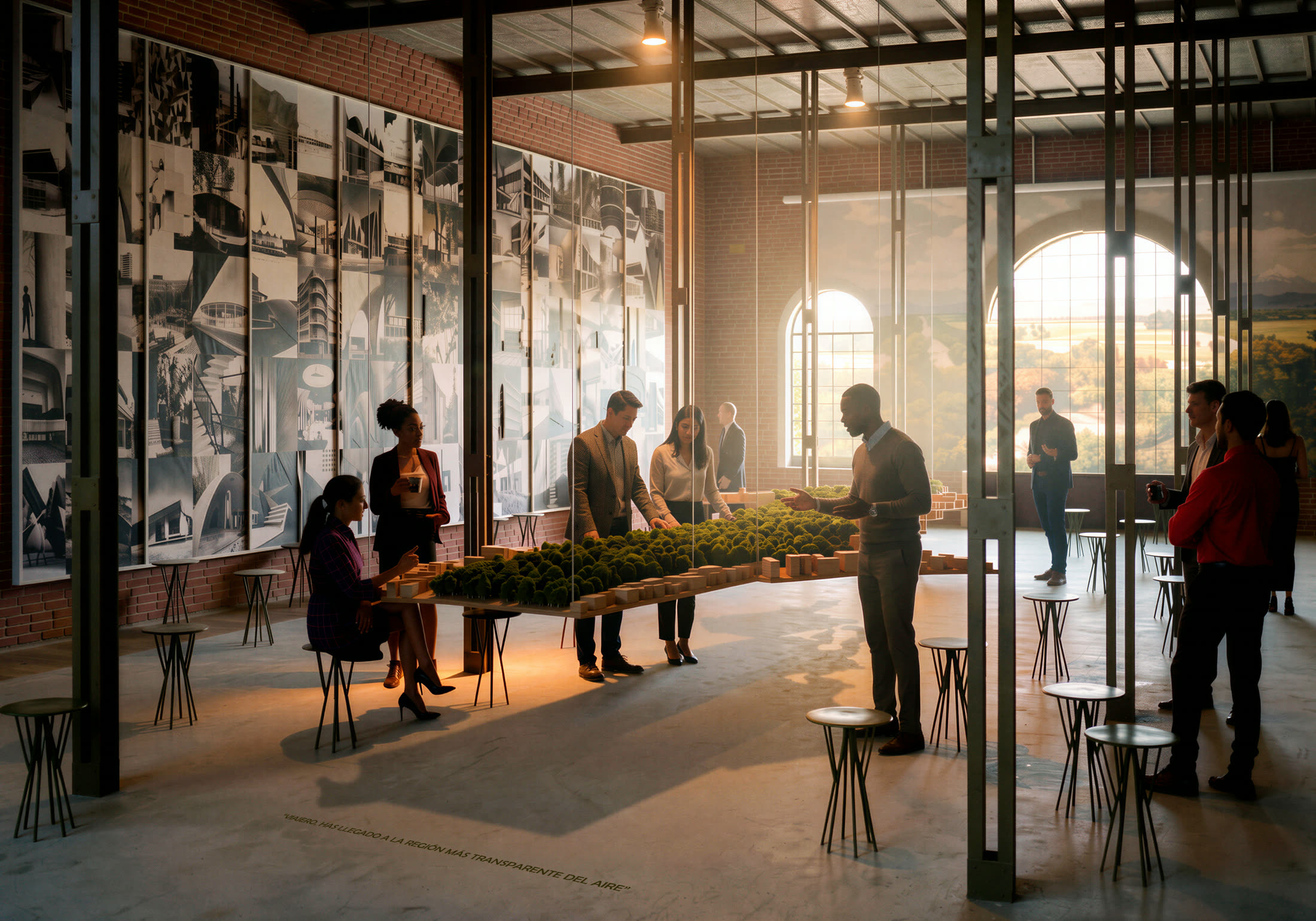
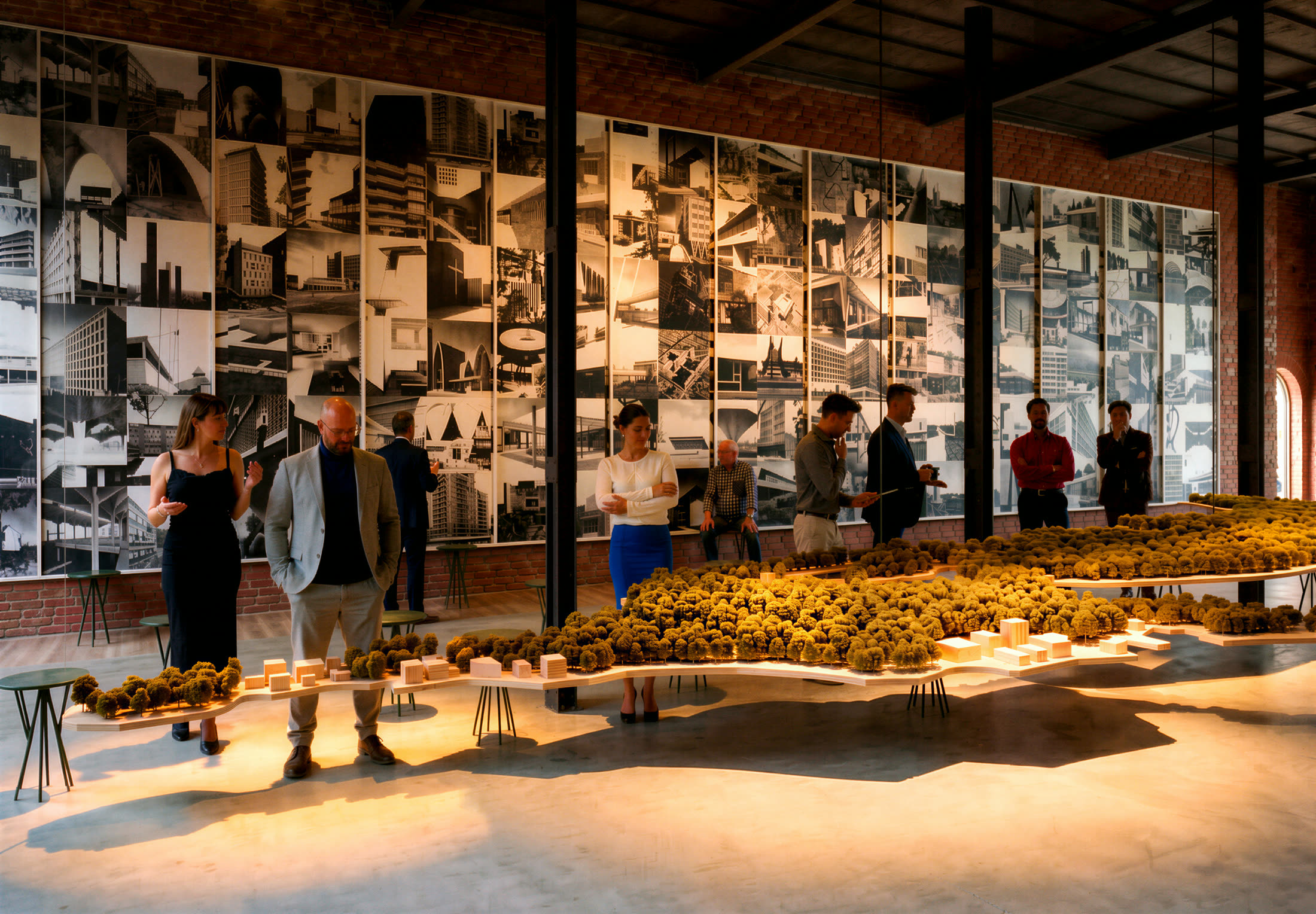
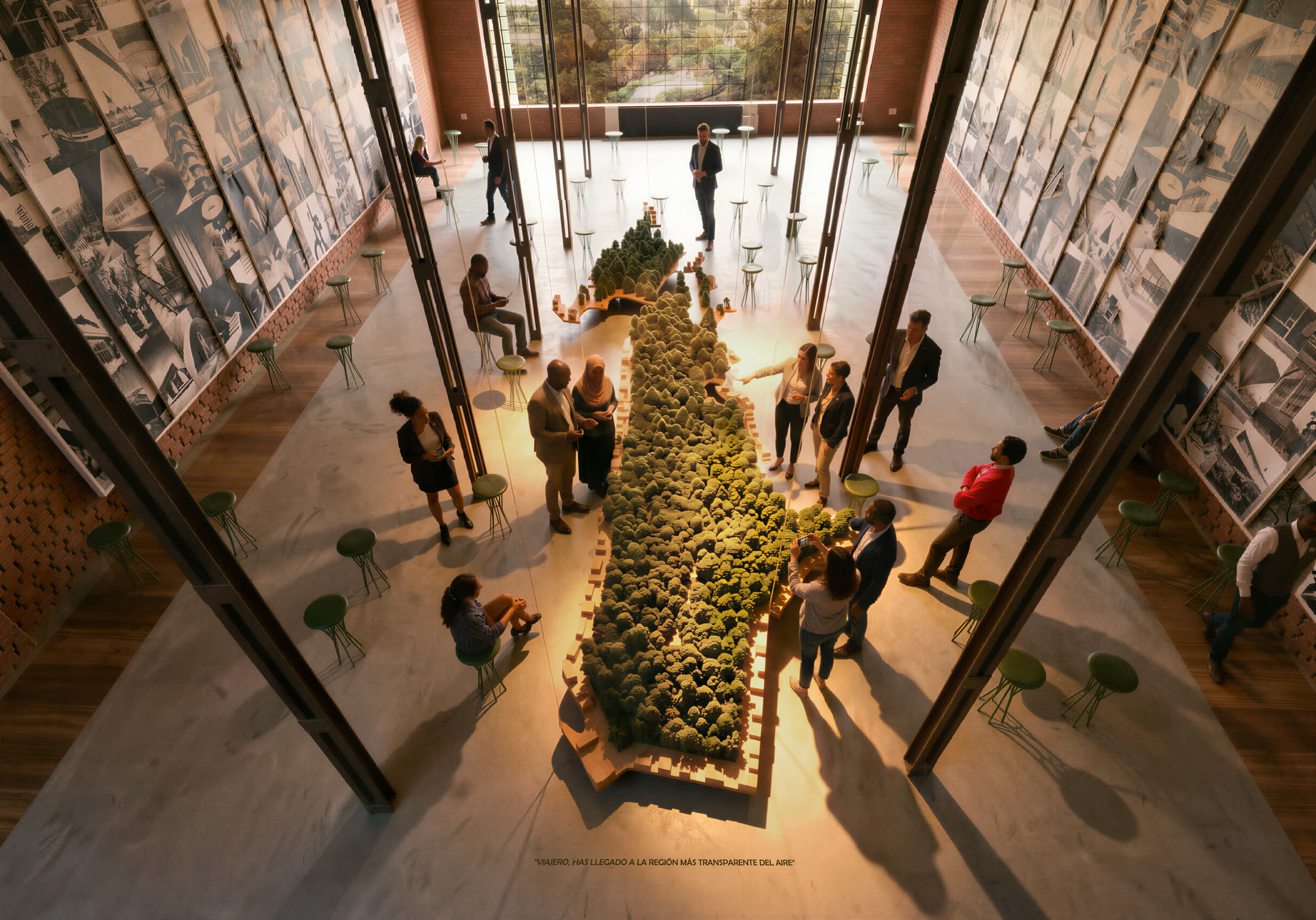
The Exhibition. At the center of the pavilion stands a large 1:1000 scale model of Chapultepec, bringing together the forest's four sections as a single territorial unit. More than representing a site, the model reveals the ecological, historical, and urban processes that have shaped Mexico's most important metropolitan landscape, illustrating its evolution, ongoing projects, and vision toward 2030.

The side walls expand this narrative through a study of the architecture surrounding Chapultepec and the projects that extend the landscape into the city through gardens, courtyards, green roofs, plazas, sidewalks, green corridors, and new public spaces. The exhibition proposes understanding landscape not as the boundary of the park, but as a condition capable of expanding across the entire metropolis.

At the end of the pavilion, a large reproduction of a painting by José María Velasco, printed on a translucent canvas, allows natural light to pass through, recreating the luminous atmosphere of the forest: sunlight filtering through the tree canopy and the shifting shadows of the valley that inspired the celebrated phrase: "Traveler: you have arrived in the region where the air is most transparent."